
The Ethics of Making a Person
The Heart of a DogThis thematic thread asks whether technical ability creates a moral right to transform life, following the experiment from ambition through harm to reluctant reversal.
increasing Bearing strength in each event
 decreasing
Bearing strength in each eventdecreasingThe Promise of Rejuvenation
A Medical Horizon
Established Practice
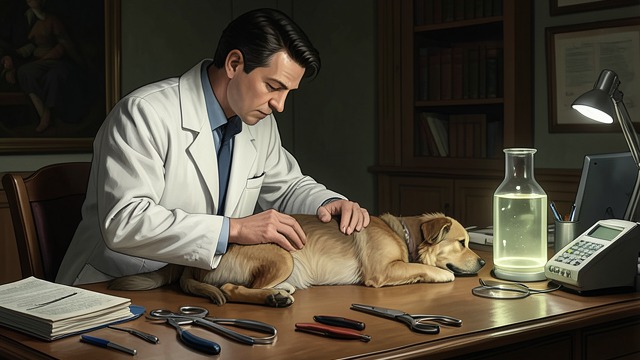
Professor Preobrazhensky's patients seek rejuvenation, and his research into glands has earned him a reputation. The work begins within a culture of confidence in medical intervention.
Ambition Expands
The prospect of transplanting organs into a dog offers a further path to knowledge. The distance between treating patients and creating a new humanized being is not yet fully acknowledged.
The Dog as Subject
An Experiment Without Consent
The Operation
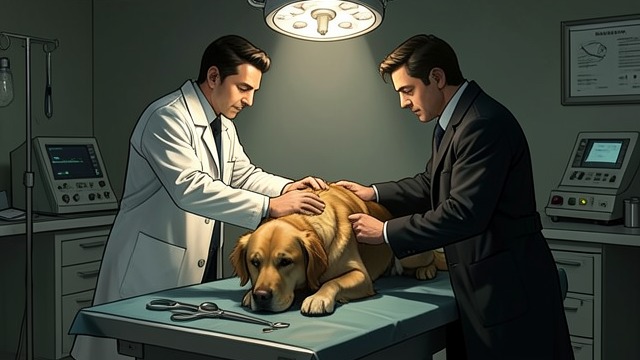
Professor Preobrazhensky and Doctor Bormenthal transplant human organs into Sharik. Their procedure pursues knowledge while exposing the dog to a near-fatal risk.
Ethical Asymmetry
Sharik cannot understand, consent to, or refuse the experiment. The scientific goal does not erase the fact that another living being bears its cost.
A Discovery Becomes a Life
The Outcome Is Not an Object
A New Person
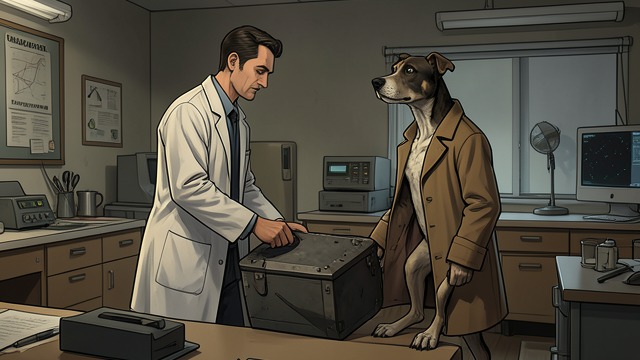
Sharik speaks, walks upright, and claims a name and documents. The result is no longer contained within a research question or a medical record.
Obligations Multiply
Once Sharikov lives among other people, the doctors must respond to his decisions and the harms they cause. The experiment creates duties that technical success alone cannot satisfy.
Refusing the Easy Solution
Responsibility Before Convenience
A Lethal Proposal
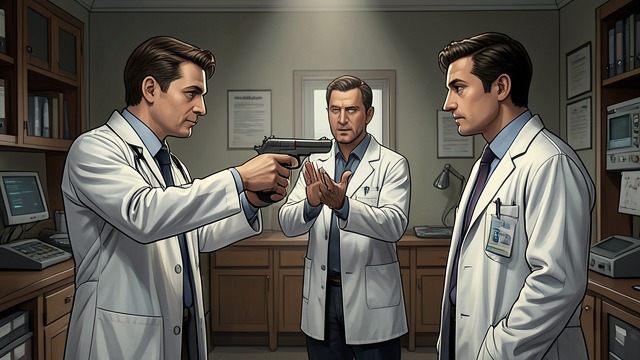
Doctor Bormenthal offers to kill Sharikov, arguing that the danger will only grow. Professor Preobrazhensky refuses to permit a criminal act, even though he recognizes the severity of the problem.
The Creator's Burden
The debate makes responsibility personal: the professor cannot treat his creation as disposable. Scientific error does not release its maker from moral obligations.
Reversal Without Erasure
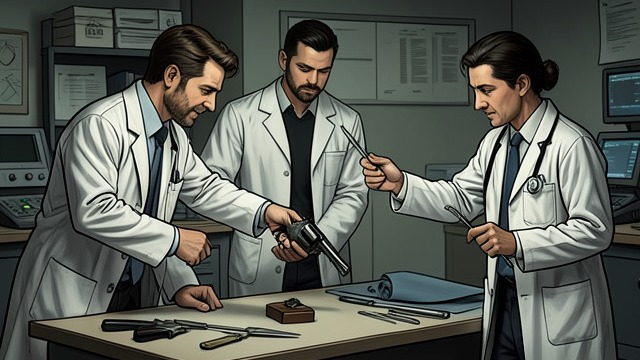
A Second Intervention
Immediate Resolution
After Sharikov draws a revolver, the doctors act to restore Sharik to dog form. Their response ends the humanized threat but does not make the first operation disappear.
The Question Remains
The police hear that science cannot yet turn animals into people, while Sharik's body and scar testify to what occurred. The ending leaves the ethical cost present even when the household is quiet.
Before the operation
December 23, 1924
January 1925
During the doctors' late-night debate
From the final operation to the police visit
